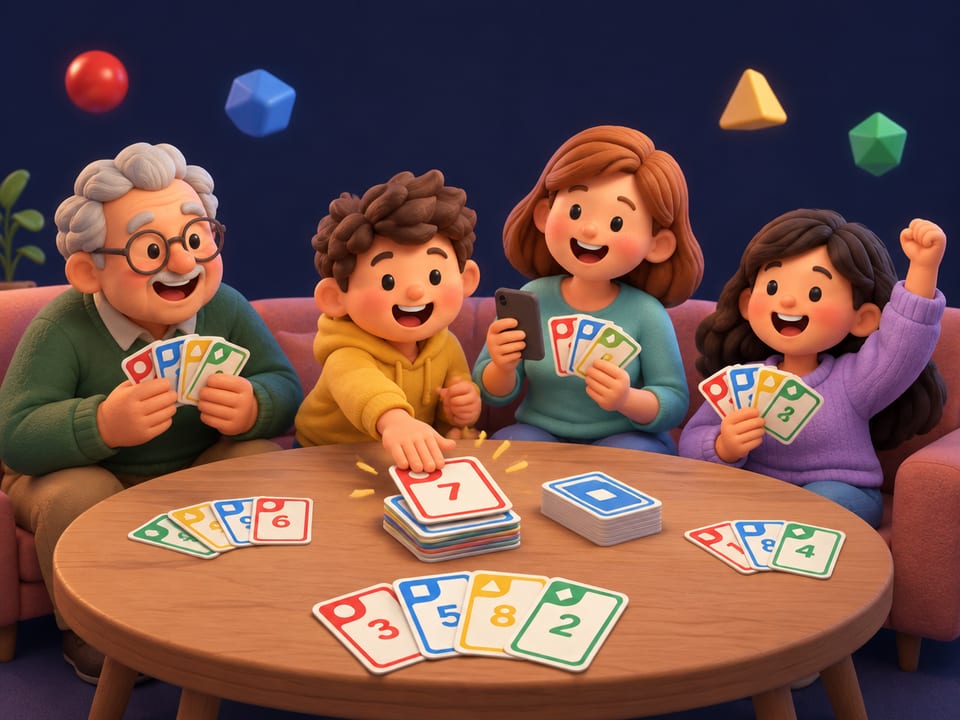
Our own card game: match the top card by colour, number or symbol, then call “Last Card!”. Everyone plays from their own phone.
- 2–6 players
- 10–45 min
- Phones or computers
- Works seated
Every game in the library, with honest group sizes, play time, preparation and materials. Pick one, read the quick rules, and you can be playing in five minutes.
Our own card game: match the top card by colour, number or symbol, then call “Last Card!”. Everyone plays from their own phone.
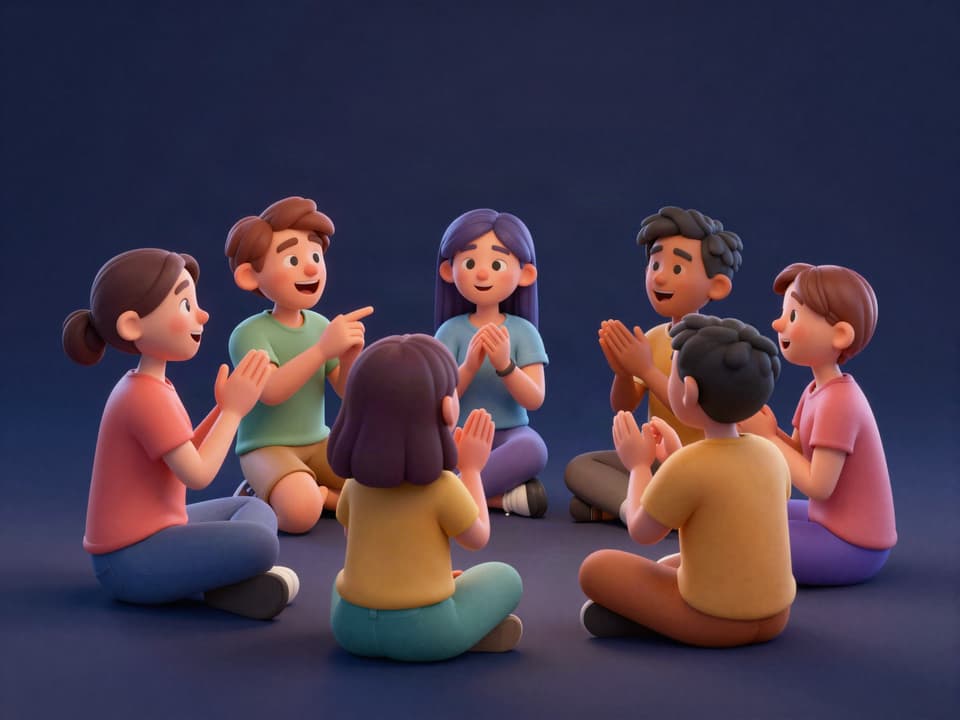
Take turns naming things that fit a category, without repeating an answer or hesitating too long.
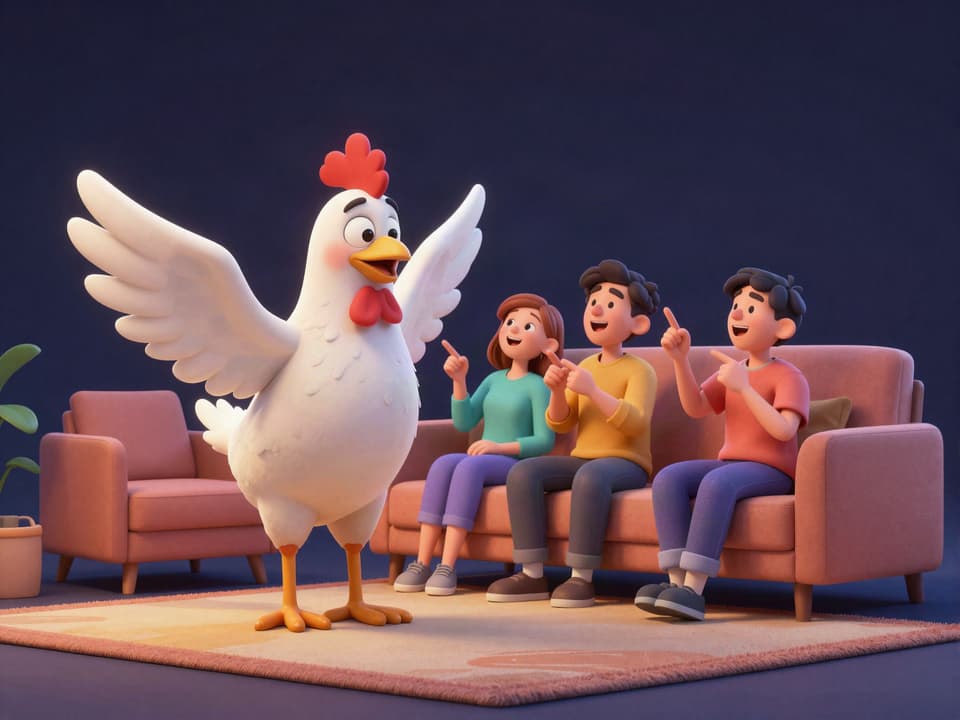
Act out a word or phrase without speaking so your team can guess it before the timer runs out.
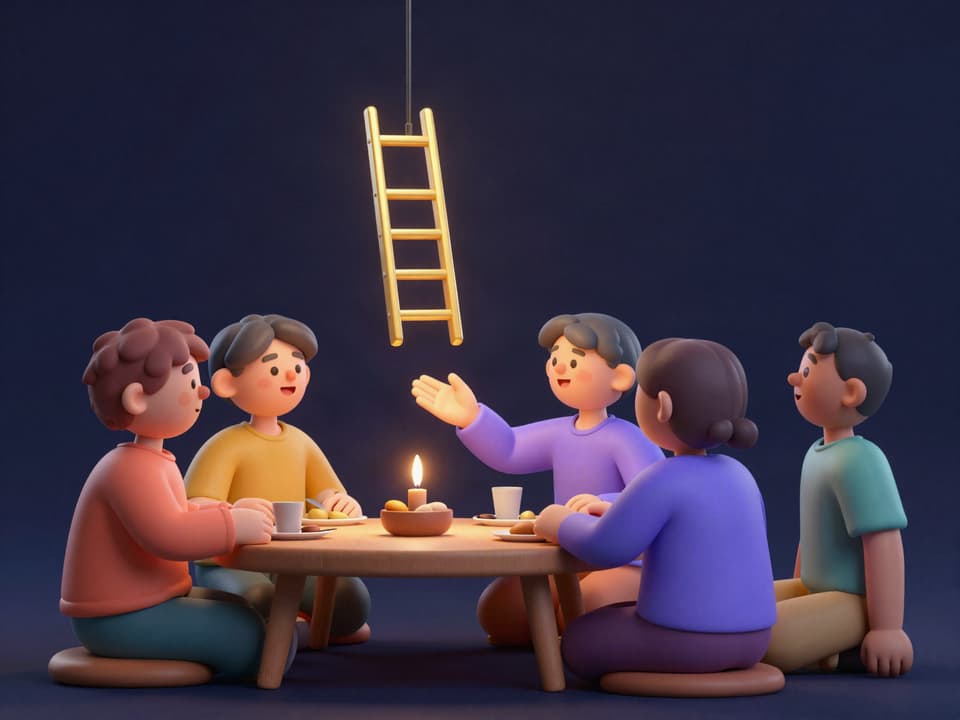
Climb a three-step ladder of questions on one theme — from an easy opener to a more thoughtful one — so that a table of guests ends up in a real conversation.
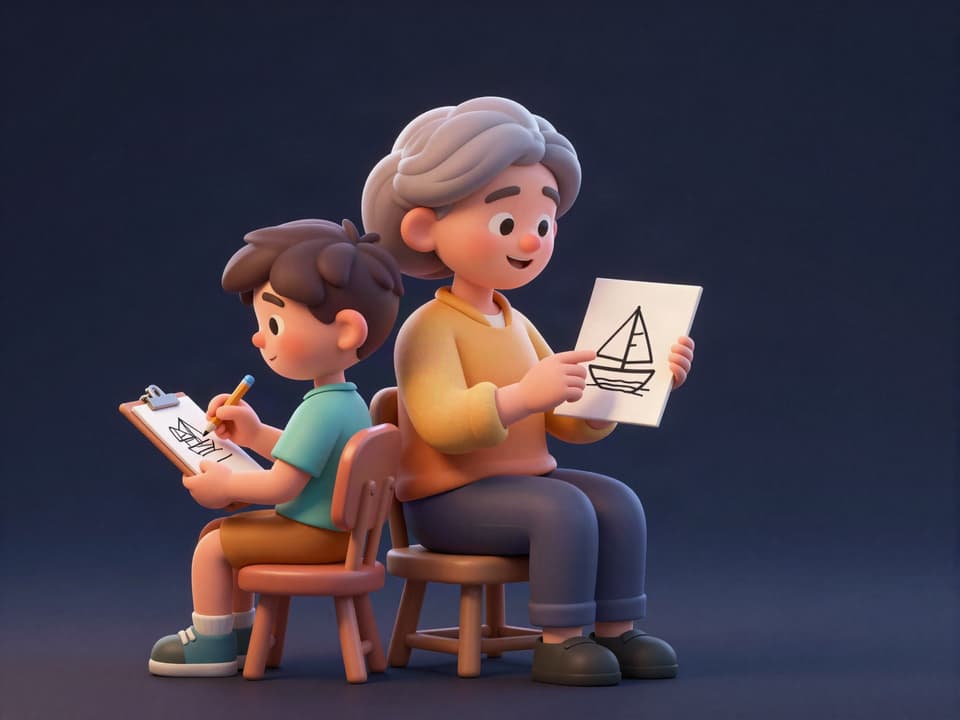
Describe a simple picture using words alone so that a partner, who cannot see it, can draw it as accurately as possible.
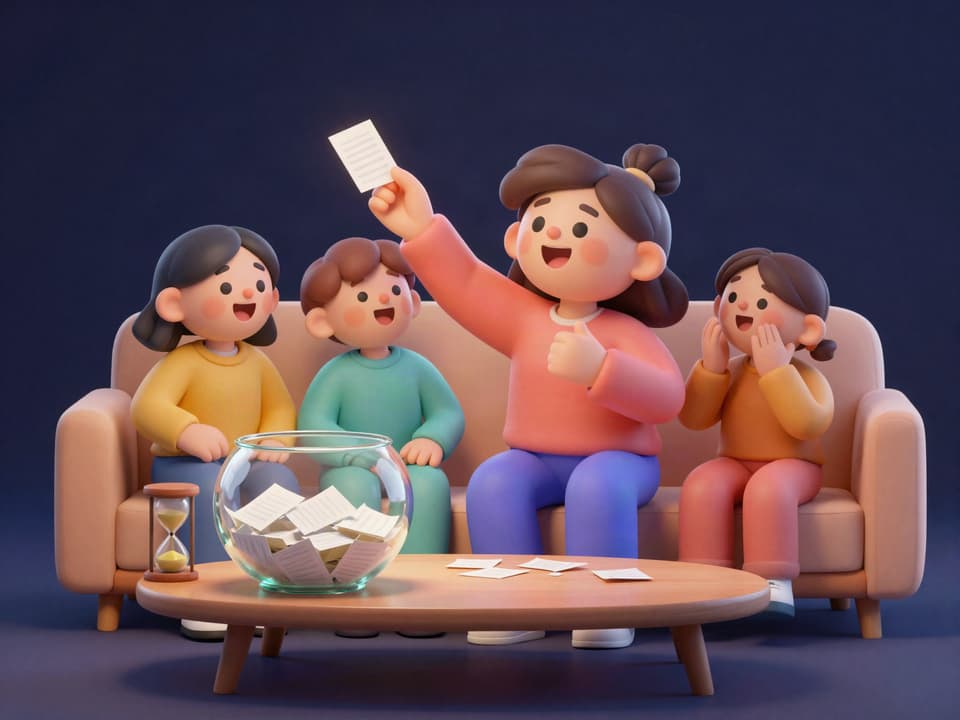
Get your team to guess the same bowl of words three times over — first by describing, then with a single word, then by acting.
One player questions the group and tries to discover the secret rule that everyone else is following when they answer.
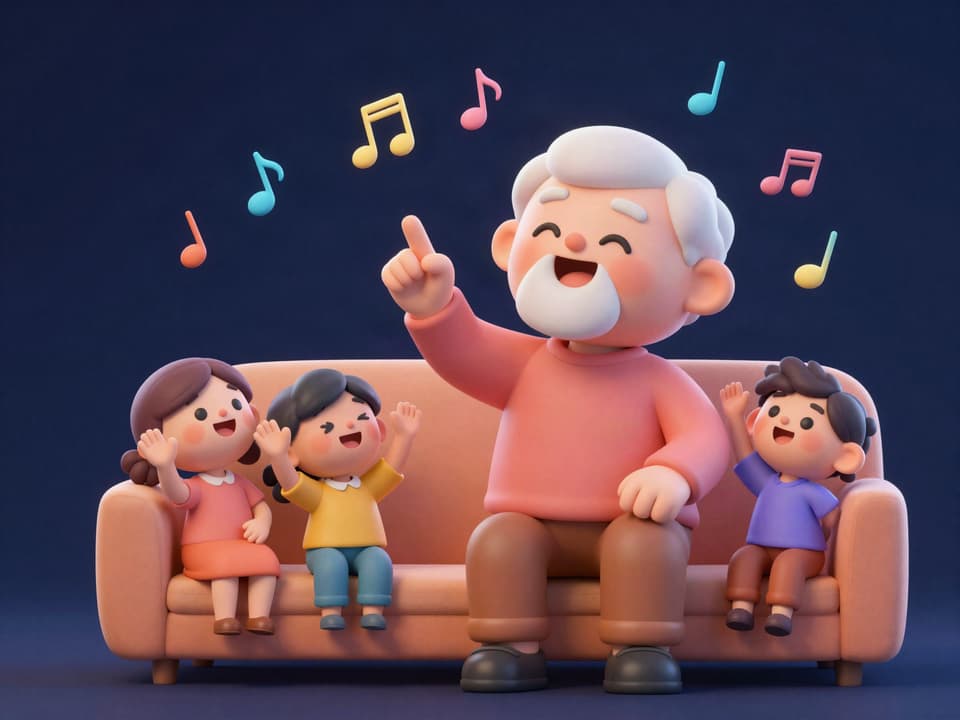
Hum a tune — no words, no la-la — until your team names it.
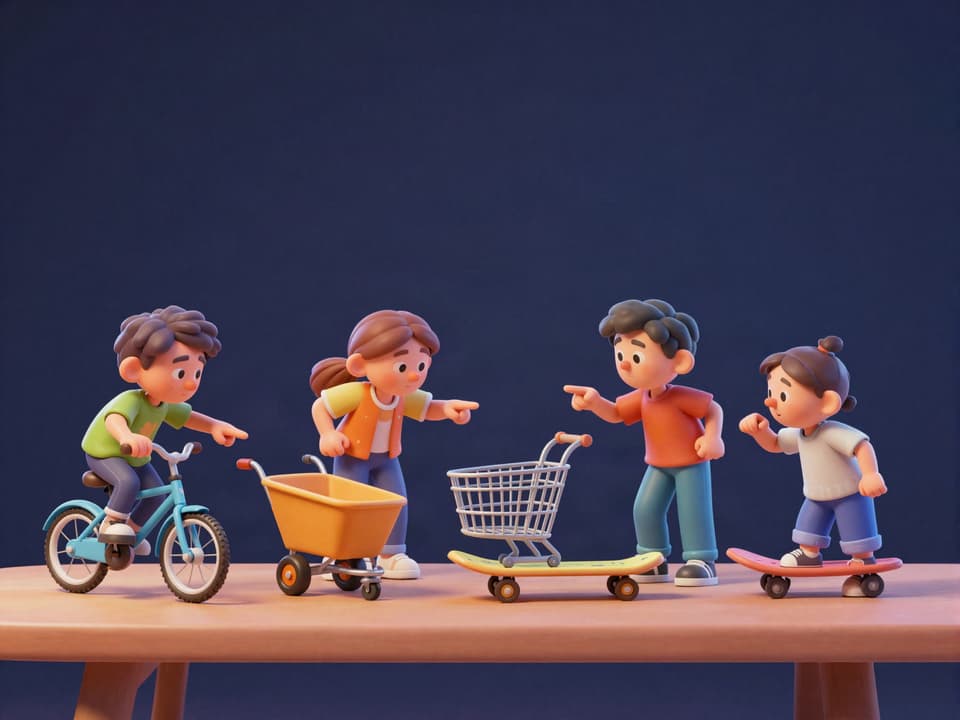
Hear four things, decide which one does not belong, and convince the table that your reason is the best one.
Tell a story together, one word per person, and try to bring it to an ending that makes sense.
Pass a sentence round the table, turning it into a drawing and then back into words, and see what survives the journey.
The whole team acts out a prompt together while a single teammate tries to guess it.
Slip your secret word into ordinary conversation without being caught — and catch other players slipping in theirs.
In a small group, find three things you all have in common that nobody could tell just by looking at you.
Retell a simple, everyday story in a surprising style — as a weather forecast, a sports commentary, a bedtime story — and let the group guess the style.
As a team, take an ordinary object from the room and pitch it to the party as a brilliant new invention with a completely different purpose.
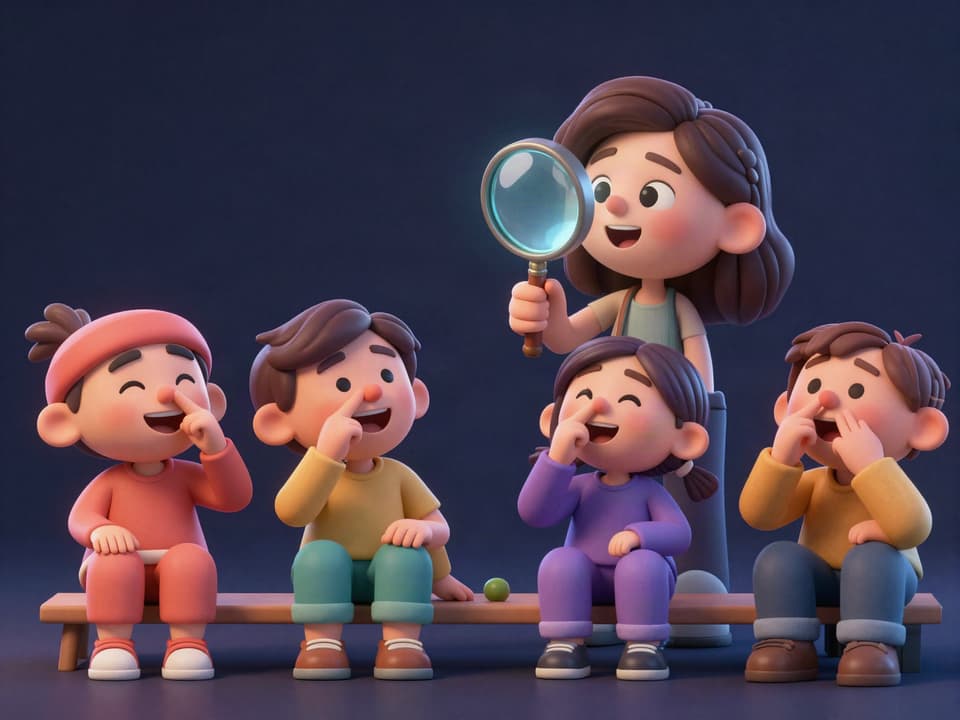
One secret player sends the others to sleep with a wink, while a detective in the middle tries to catch them at it.
Keep a perfectly straight face while the rest of the table does its best — with words alone — to make you crack.
Work out a secret person, place or thing by asking no more than twenty yes-or-no questions.
Share three statements about yourself — two true, one invented — and see whether the group can spot the lie.
Help your team guess a secret word by giving clues that are exactly two words long — no more, no fewer.
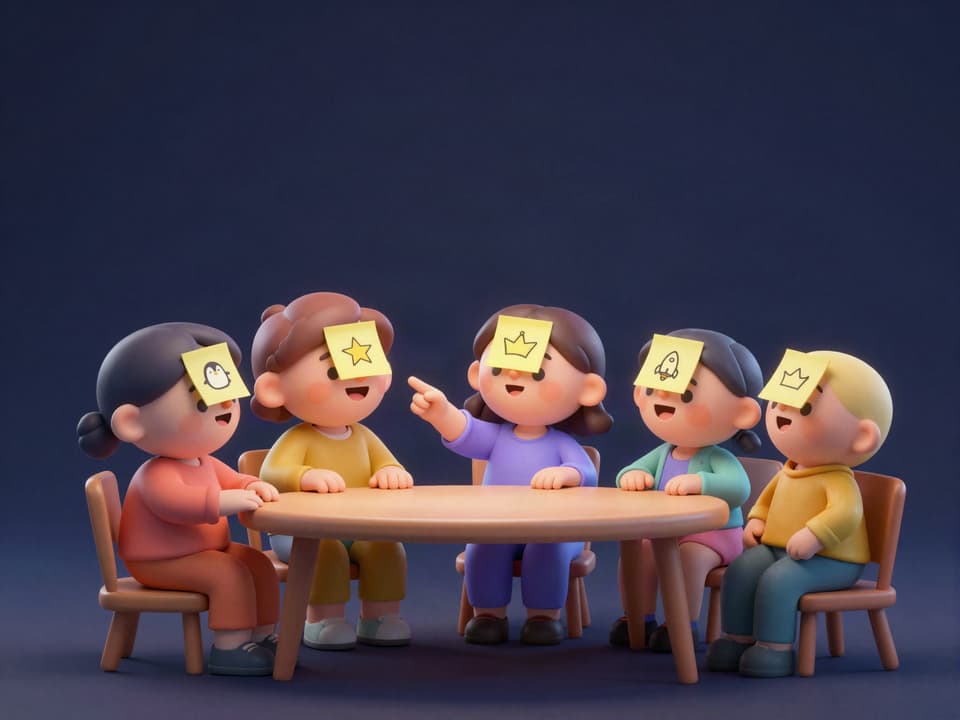
Work out the name stuck to your own forehead — which everyone can see except you — by asking yes-or-no questions.
Keep a chain of connected words moving round the circle — say the first word the last one brings to mind, and be ready to explain the link.
Choose between two alternatives, defend your choice, and find out who at the table thinks the way you do.
Build one story as a group, a sentence at a time, with every sentence accepting what came before and adding something new.
Each game page follows the same order, so you always know where to look: four-line quick rules at the top, an at-a-glance summary, set-up, numbered instructions, one complete example round, how the game ends, and two variations.
Group sizes are honest. Every game states a minimum, a practical maximum and the size at which it is at its best — and explains exactly how to split a larger group into teams or tables. A game written for six does not automatically work for thirty.
Sort out the practical questions first — how many people, how long, what you need — and then read the rules for the two or three that fit.
| Game | Players | Play time | Prep | Materials | Movement | Seated option | Energy |
|---|---|---|---|---|---|---|---|
| Categories | 3–12 | 10–25 min | No prep | No materials | Seated | Yes | Lively |
| Charades | 4–20 | 20–45 min | 3 min prep | No materials | Standing and moving | Yes | High energy |
| Conversation Ladder | 3–10 | 15–30 min | No prep | No materials | Seated | Yes | Calm |
| Describe and Draw | 2–16 | 10–25 min | 5 min prep | Paper and pen | Seated | Yes | Calm |
| Fishbowl | 4–20 | 25–45 min | 5 min prep | Paper and pen | Standing optional | Yes | High energy |
| Guess the Rule | 4–12 | 15–30 min | No prep | No materials | Seated | Yes | Calm |
| Hum That Tune | 4–16 | 10–25 min | No prep | No materials | Seated | Yes | Lively |
| Odd One Out | 3–12 | 10–25 min | No prep | No materials | Seated | Yes | Calm |
| One-Word Story | 3–12 | 5–20 min | No prep | No materials | Seated | Yes | Lively |
| Picture Telephone | 4–10 | 15–30 min | 2 min prep | Paper and pen | Seated | Yes | Lively |
| Reverse Charades | 6–24 | 15–35 min | 3 min prep | No materials | Standing and moving | Yes | High energy |
| Secret Word Detective | 4–12 | 20–60 min | 3 min prep | No materials | Seated | Yes | Calm |
| Shared Connections | 4–40 | 10–20 min | 1 min prep | No materials | Standing optional | Yes | Lively |
| Story Remix | 3–10 | 15–30 min | 1 min prep | No materials | Seated | Yes | Lively |
| Team Object Pitch | 4–30 | 20–40 min | 2 min prep | No materials | Standing optional | Yes | High energy |
| The Secret Winker | 6–20 | 10–20 min | 1 min prep | Paper and pen | Seated | Yes | Lively |
| Try Not to Laugh | 3–12 | 10–20 min | No prep | No materials | Seated | Yes | Lively |
| Twenty Questions | 2–10 | 10–25 min | No prep | No materials | Seated | Yes | Calm |
| Two Truths and a Lie | 3–12 | 10–30 min | No prep | No materials | Seated | Yes | Calm |
| Two-Word Clues | 4–16 | 15–30 min | 2 min prep | No materials | Seated | Yes | Lively |
| Who Am I? | 3–12 | 10–25 min | 2 min prep | Paper and pen | Seated | Yes | Lively |
| Word Association | 3–12 | 5–20 min | No prep | No materials | Seated | Yes | Lively |
| Would You Rather | 2–30 | 10–30 min | No prep | No materials | Seated | Yes | Calm |
| Yes-And Story | 3–10 | 10–20 min | No prep | No materials | Seated | Yes | Calm |
Times are editorial estimates, not test results.